
Your Brain Deserves a Week in the Spotlight
March 14 2026Brain Awareness Week 2026 | 16–20 March
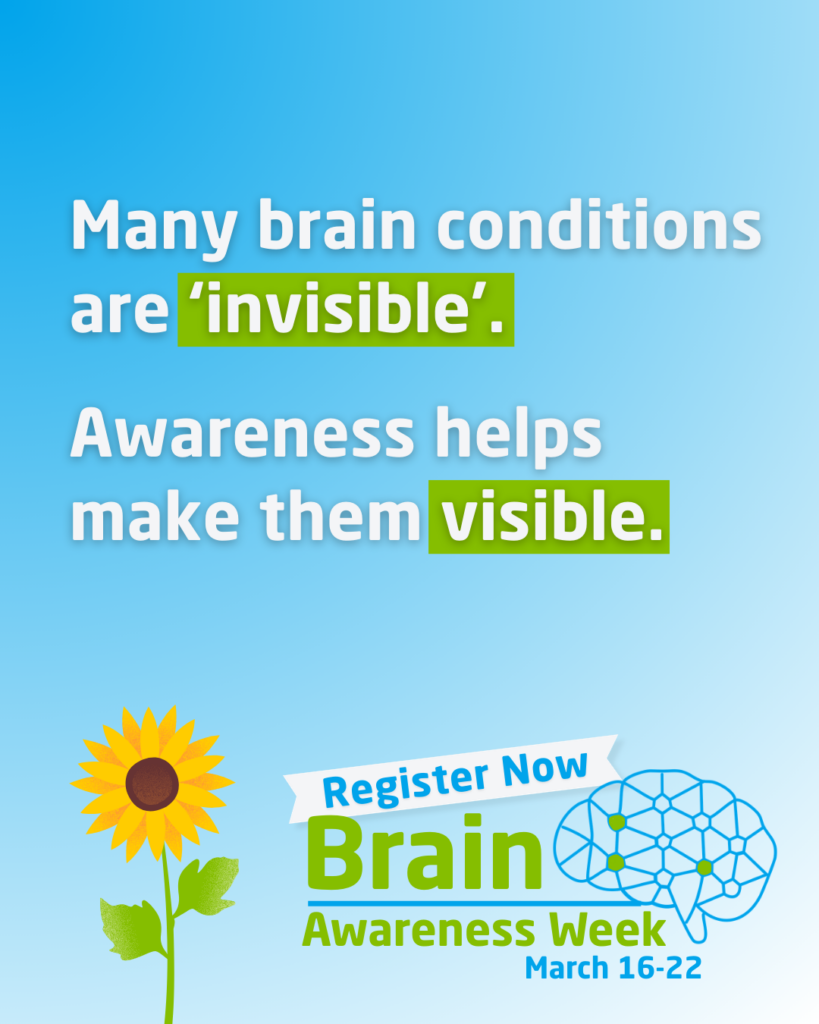
Every thought you think, every memory you hold, every step you take — your brain is behind it all. Yet for most of us, brain health doesn’t get much attention until something goes wrong. That’s exactly what Brain Awareness Week, running from 16 to 20 March 2026, is here to change.
Organised by the Brain Foundation, Australia’s annual Brain Awareness Week is a chance for everyday Australians to learn about the brain, understand the conditions that can affect it, and take practical steps to protect it — at any age.
Why Brain Health Can’t Wait
Brain diseases, disorders, and injuries affect millions of Australians. From epilepsy and stroke to migraines, brain tumours, and dementia, these conditions touch nearly every family in the country. Yet awareness remains low and research is chronically underfunded.
The Brain Foundation’s mission is clear: there is no cure without research. Brain Awareness Week is as much about funding the future as it is about education today.
What’s On This Year
This year’s theme is Focus on Brain Health, and the programme reflects that with five free expert webinars running Monday to Friday.
- Monday 16 March — Dr Susanne Roehr from UNSW’s Centre for Healthy Brain Ageing kicks things off with a deep dive into lifestyle factors and brain health: what actually makes a difference, and when certain risk factors are beyond our control.
- Tuesday 17 March — Dr Emma Foster from Alfred Hospital and Monash University discusses first seizures and epilepsy.
- Wednesday 18 March — Neurosurgeon Dr Jorn Van Der Veken tackles the complex question of brain aneurysms: when to watch, when to treat, and why it’s rarely straightforward.
- Thursday 19 March — Professor Greg Sutherland from the University of Sydney explores the effects of alcohol on the brain, in a session also available to attend in person at the Charles Perkins Centre in Camperdown, NSW.
- Friday 20 March — The week wraps up with a migraine Q&A session led by headache specialist Dr Michael Eller.
All webinars are free. Register at brainfoundation.org.au to receive Zoom links and access recordings after the event.
How You Can Get Involved
You don’t need to be a neuroscientist to make a difference this Brain Awareness Week. Here are a few ways to participate:
- Tune in from work. Use one of the lunchtime webinars as a workplace Lunch and Learn — no organisation required, just a screen and some curious colleagues.
- Host a morning tea. Print out the Brain Foundation’s free fact sheets, gather friends or workmates, and start a conversation about brain health.
- Share on social media. Download the free awareness toolkit from the Brain Foundation website, which includes posters, social media graphics, and email footers.
- Fundraise. Host a bake sale, join a fun run, or get creative — every dollar raised goes toward funding Australian brain research.
A Week Worth Your Attention
The brain is the most complex organ in the human body, and looking after it is a lifelong project. Brain Awareness Week is a reminder that small, consistent choices — staying active, sleeping well, staying socially connected, limiting alcohol — can make a real difference to long-term brain health.
Whether you join a webinar, share a post, or simply start a conversation with someone you care about, your participation matters.
Register now at brainfoundation.org.au/brain-awareness-week